
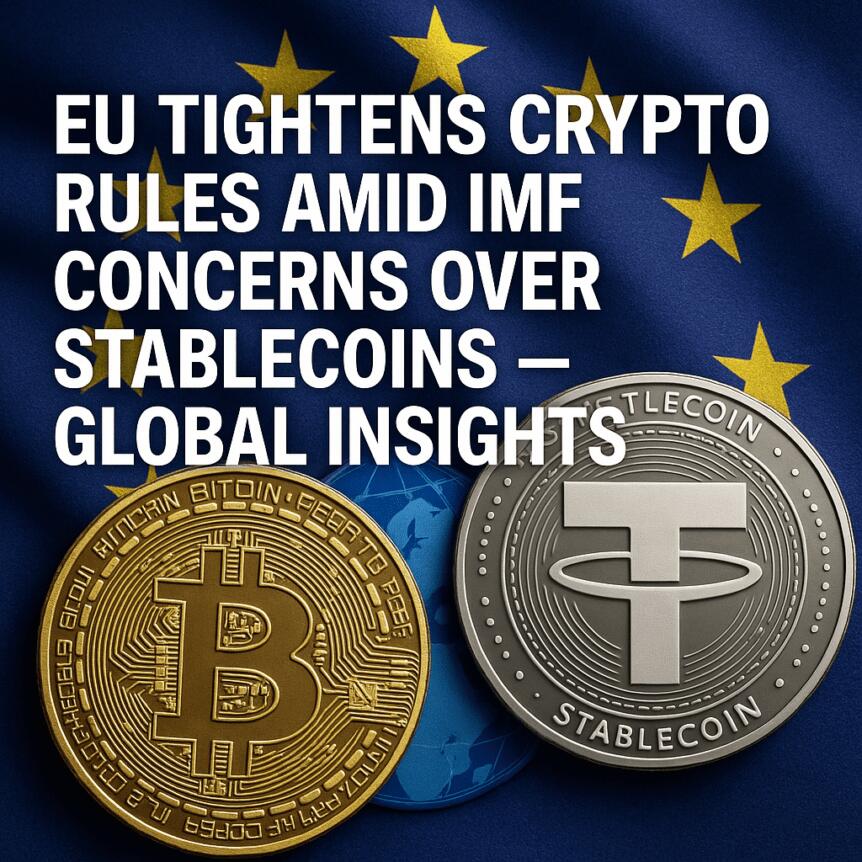
European Regulators Penalize Social Platform X and Emphasize Broader Market Oversight
European authorities have levied a substantial fine of 120 million euros (approximately $140 million) on the social media giant X, owned by Elon Musk, for violations of EU online content regulations. This action follows a comprehensive two-year investigation conducted under the Digital Services Act (DSA), which found that X failed to adequately address illegal and harmful content on its platform.
The European regulators criticized the platform’s use of blue check marks, stating they misled users and undermined the ability to reliably assess account authenticity. This crackdown signals an intensified effort to regulate Big Tech companies, particularly social media services, across member states. Notably, TikTok managed to avoid a similar penalty by implementing certain concessions.
The ongoing tensions between the EU and the US are evident, with Vice President JD Vance asserting that European regulators should not target American companies unfairly. The DSA is poised to extend its scope to cryptocurrency platforms, decentralized finance (DeFi) frontends, and NFT marketplaces, especially if these entities reach significant market sizes. The regulation aims to influence how these platforms manage advertisements, user-generated content, and financial products.
European Banks Collaborate on Euro-Backed Stablecoin Initiative
A consortium of ten prominent European banks, including BNP Paribas, Danske Bank, ING, and Raiffeisen Bank International, is preparing to launch a euro-backed stablecoin by mid-2026. The project, named Qivalis, will be headquartered in Amsterdam and aims to facilitate more efficient and autonomous digital transactions within the eurozone.
Qivalis CEO Jan-Oliver Sell emphasized the potential for stablecoins to enhance convenience and monetary sovereignty, offering new opportunities for European businesses and consumers to participate in on-chain payments and digital markets.
The announcement coincides with discussions by the European Commission to expand the powers of the European Securities and Markets Authority (ESMA). The proposed regulatory amendments would extend ESMA’s oversight to significant crypto market infrastructures, including certain trading venues, Central Counterparties (CCPs), Central Securities Depositories (CSDs), and Crypto-Asset Service Providers (CASPs). This move aims to tighten regulatory consistency across member states, particularly in response to calls from France, Italy, and Austria — countries advocating for increased ESMA oversight of crypto regulations.
CFTC Approves Spot Crypto Trading on Futures Markets in the US
The Commodity Futures Trading Commission (CFTC) has authorized the trading of spot cryptocurrencies on futures markets, marking a significant step toward integrating digital assets into mainstream financial markets. Acting Chair Caroline Pham stated this move will enable these products to move to “safe U.S. markets,” following recommendations from the White House’s Working Group on Digital Asset Markets and consultations with the SEC.
Pham, who began serving as acting chair earlier this year, is expected to resign pending the Senate’s confirmation of nominee Michael Selig. The development aligns with ongoing efforts to establish clearer regulatory pathways for digital assets in the United States.
South Africa Flags Crypto Risks Amid Regulatory Developments
The South African Reserve Bank issued a warning regarding the risks associated with cryptocurrencies, especially stablecoins. Citing concerns over the lack of comprehensive regulation, the central bank pointed out that the borderless and decentralized nature of digital assets makes them attractive for regulatory arbitrage and potential financial crimes.
Herco Steyn, the bank’s chief macroprudential specialist, highlighted the risks of systemic spillovers from crypto to traditional finance, emphasizing ongoing work with the National Treasury to develop new rules. These initiatives aim to monitor cross-border transactions and adjust exchange control laws to bring crypto markets under regulatory scrutiny.
IMF Raises Alarms Over Stablecoin Risks to Global Financial Stability
The International Monetary Fund released a report warning that stablecoins pose significant risks to global financial stability, including potential currency substitution, destabilization of markets, and disintermediation of traditional banking systems. The IMF highlighted concerns over volatility, runs, and the lack of redemption guarantees, which could exacerbate crises in failing stablecoin issuers.
While acknowledging the utility of stablecoins for faster cross-border payments and enhancing financial inclusion, the IMF underscored the importance of robust regulation to mitigate systemic threats. The report warns that unregulated or poorly regulated stablecoins could undermine national monetary sovereignty, especially when they operate via unhosted wallets and cross border jurisdictions.
https://www.cryptobreaking.com/eu-tightens-crypto-rules-amid/?utm_source=blogger%20&utm_medium=social_auto&utm_campaign=EU%20Tightens%20Crypto%20Rules%20Amid%20IMF%20Concerns%20Over%20Stablecoins%20—%20Global%20Insights%20
Comments
Post a Comment