
Introduction
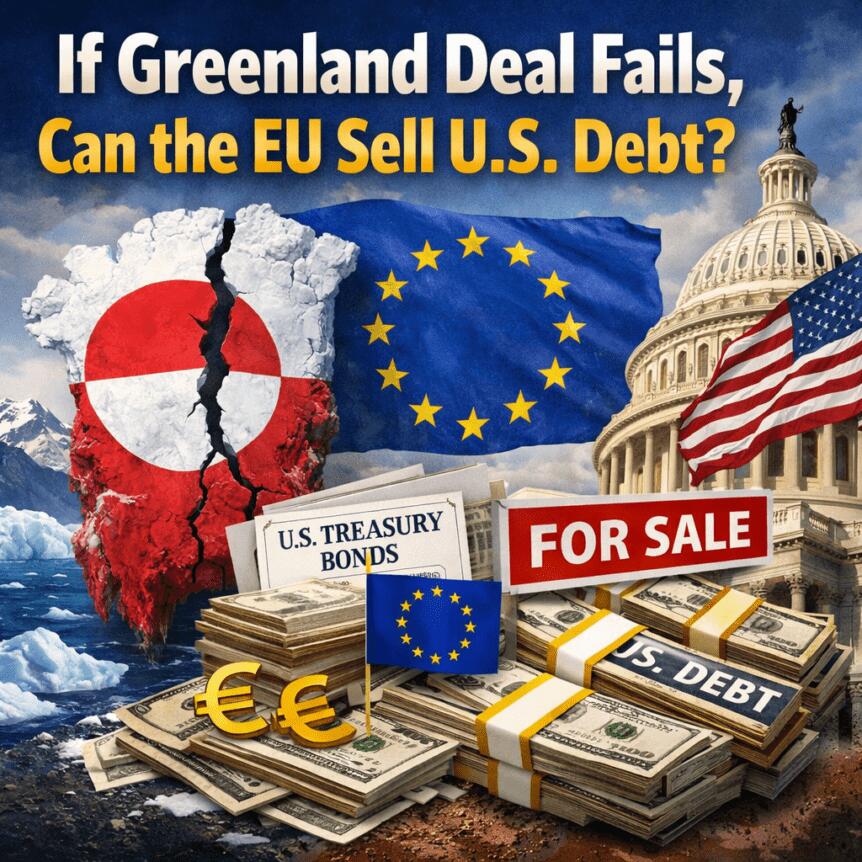
The United States’ brinkmanship over Greenland has spotlighted Europe’s fragile economic ties with Washington. As Brussels weighs responses to what some officials describe as US aggressiveness, the continent contemplates a range of tools—from targeted market access restrictions to the unprecedented offloading of US debt held in European portfolios. While a Davos-backed framework failed to crystallize, the mood remains wary, and EU leaders are mapping potential steps should tensions flare again. The episode underscores a shifting financial order, with implications for stablecoins, liquidity in Treasury markets, and the global reach of dollar-denominated assets.
Key Takeaways
- European leaders are openly considering responses that could include restricting US access to EU markets and potentially unloading US debt held in Europe as leverage.
- The feasibility of dumping trillions in US Treasuries is uncertain, given the complex mix of official and private holders and the limited capacity of alternative markets to absorb such a shift.
- Stablecoin issuers, required by new US regulation to back reserves with dollars and Treasuries, face a growing role as buyers of US debt, intensifying the link between stablecoins and Treasury market liquidity.
- The broader risk landscape remains unsettled: a multipolar world could stress US debt markets if alternative assets fail to fill the liquidity gap, with implications for the global financial system.
Sentiment: Bearish
Price impact: Negative. Heightened geopolitical risk and liquidity concerns could pressure Treasury market stability and investor sentiment.
Trading idea (Not Financial Advice): Hold. The situation is fluid, and any policy moves could swing risk appetite across fiat and crypto markets.
Market context: A more multipolar order increases cross-asset contagion risk as policymakers reevaluate the role of the dollar and the resilience of dollar-denominated markets.
Can the EU actually dump US debt?
Before Jan. 21, European leaders weighed a range of responses. While Denmark deployed forces to Greenland, other leaders flirted with a “trade bazooka” that could shut out US companies from EU markets. On the other side of the ledger, some argued Europe could leverage holdings of US debt. Former Dutch Defense Minister Dick Berlijn suggested that if Europe offloaded bonds, it would provoke a US shock—“the dollar crashes, high inflation,” and voters would not respond kindly.
Deutsche Bank economist George Saravelos noted in a recent briefing that, while the US remains militarily and economically potent, it depends on external deficits financed by others. “The US has one key weakness: it relies on others to pay its bills via large external deficits,” he wrote. The practical challenge, however, is formidable: how would Europe compel a broad set of holders—ranging from central banks to pension funds and banks—to sell? Much of the US debt in Europe is not held by governments but by private institutions, including hedge funds, banks, and pension funds across the UK, Luxembourg, and Belgium. Yesha Yadav, a Vanderbilt law professor, emphasized that foreign government buyers tend to be reluctant to move unless compelled by necessity, making a coordinated dump unlikely in the near term.
Other voices warned that escalation could backfire politically and economically. Societe Generale’s Kit Juckes argued that the situation would need to deteriorate further before it would harm investment performance for political ends. Nonetheless, some analysts suggested Europe could explore using debt deemed among the safest as collateral to preserve financial stability if conditions worsen. Yet the core problem remains: the global transition away from dollar dominance requires viable substitute assets, and there are few ready-made buyers for a massive, abrupt reallocation of traditional Treasuries.
China has signaled a slower pace in US debt purchases, and Asian markets, though substantial, cannot swallow a sudden, large-scale shift without disrupting global risk premia. The market capitalization of major regional indices and sovereign bond markets remains far smaller than US debt markets, complicating any attempt to replicate the liquidity and depth of Treasuries. The conclusion of many analysts is clear: even in theory, the USD’s reserve-currency status and the breadth of US capital markets limit the feasibility of a sudden decoupling.
Stablecoins become major buyers of US debt
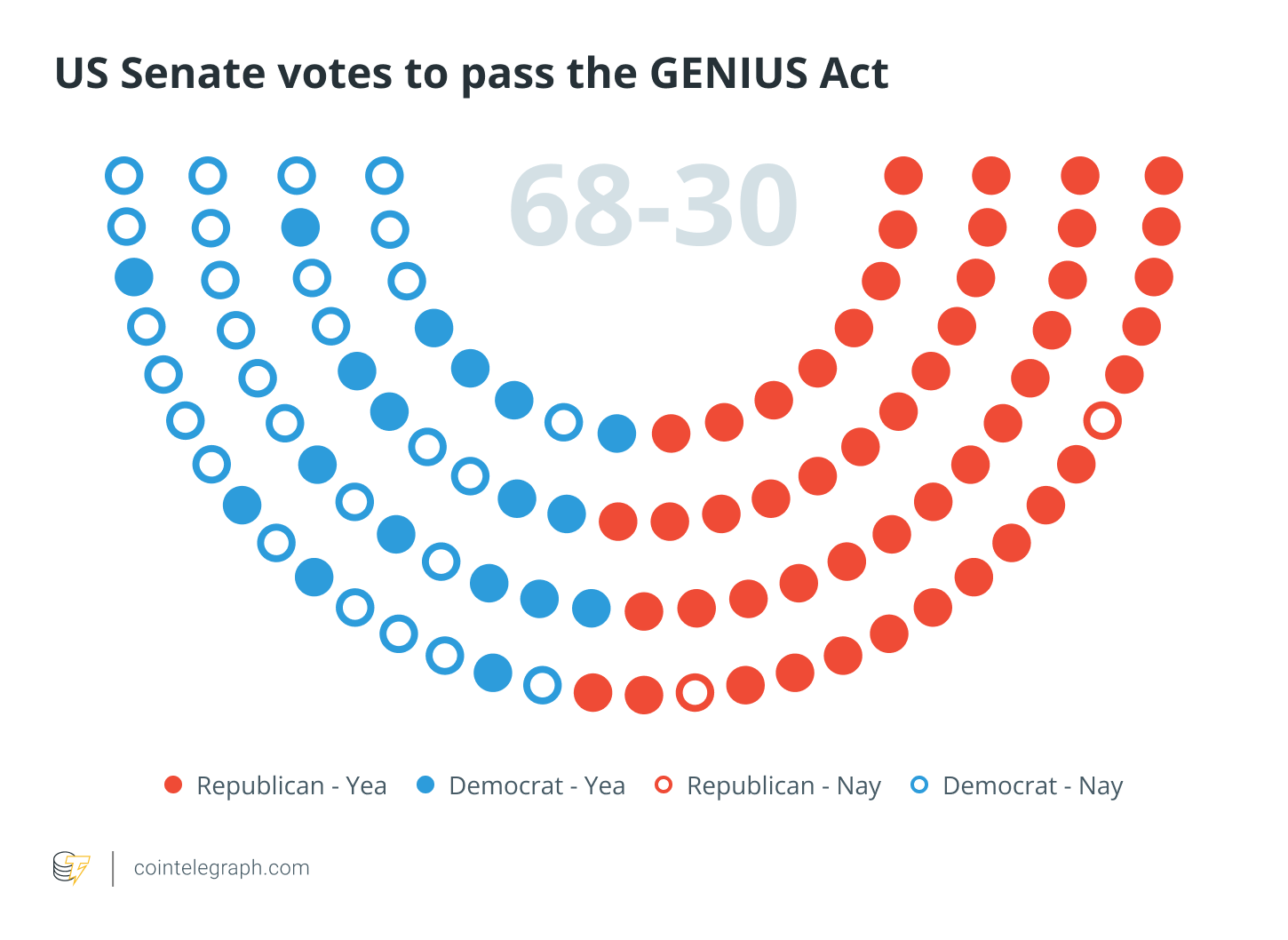
The GENIUS Act established a framework where stablecoin issuers operating in the United States must hold sufficient reserves, including dollars and Treasurys, to back their coins. This requirement has made at least part of the stablecoin sector a steady source of demand for Treasuries, effectively tying stablecoin liquidity to the health of US Treasury markets. As stablecoins grow, their appetite for Treasuries expands accordingly, which can bolster the liquidity and appeal of US debt in the near term. Yet that dependency also exposes the Treasury market to a new class of liquidity shocks if stablecoin issuers encounter stress or regulatory shifts tighten the supply of Treasuries.
The dynamic raises questions about liquidity shocks in debt markets, a concern voiced by Yesha Yadav and Brendan Malone in earlier analyses. If a run were to occur among stablecoin issuers, the lack of substitute buyers could ripple through the system, potentially undermining the credibility of US Treasury markets. The interconnectedness of stablecoin reserves with Treasuries means policy developments in one domain can quickly affect the other, reinforcing the need for robust risk management across both fiat and crypto ecosystems.
As dialogue persists between Washington and Brussels, and as markets recalibrate to an evolving monetary order, the stability of US debt markets may increasingly hinge on the behavior of non-traditional buyers. The political impulse toward hedging risk with alternative assets remains strong, but the mechanics of an orderly transition away from a dollar-centric system are complex. Latvia’s President Edgars Rinkēvičs warned that while a full rupture is not guaranteed, “there is a clear and present danger” in the current trajectory—an observation that resonances across both traditional and digital asset markets.
Conclusion
The Greenland episode has reframed a familiar debate: how resilient are dollar-based markets in a world seeking diversification? As the EU weighs options ranging from access restrictions to debt reallocation, and as stablecoins deepen their footprint in the Treasury ecosystem, markets face a test of liquidity, credibility, and cross-border coordination. The outcome will hinge on policy decisions, private-sector behavior, and the pace of de-dollarization—factors with immediate relevance for both traditional finance and the evolving crypto landscape.
https://www.cryptobreaking.com/if-greenland-deal-fails-can/?utm_source=blogger%20&utm_medium=social_auto&utm_campaign=If%20Greenland%20Deal%20Fails,%20Can%20the%20EU%20Sell%20U.S.%20Debt?%20
Comments
Post a Comment