
Editor’s note: As the 2026 Winter Olympics attract millions of fans worldwide, cyber crooks look to exploit hype and distraction. This editorial spotlights practical, action‑or‑action guidance from Kaspersky to recognize and avoid scam attempts around tickets, merchandise and streaming. The aim is to empower readers to verify sources, keep personal data secure, and rely on official channels during the events. The content below complements the press release by summarizing key takeaways and security best practices for attending, watching or engaging with the Games online.
Key points
- Buy tickets only from official channels and confirm via the official Olympics platform.
- Stick to legitimate streaming services and trusted broadcasters; verify HTTPS and avoid unverified sites.
- Avoid counterfeit merchandise by purchasing only from official stores or partner retailers.
- Don’t click unsolicited emails, posts, texts, or ads offering free tickets or cheap streams.
- Rely on a trusted security tool such as Kaspersky Premium to block dangerous sites and card-skimming scripts.
Why this matters
During a global event that unites fans from around the world, the risk of cyber fraud rises in tandem. This guidance helps fans protect personal and payment information, avoid losing money on fake tickets, fake merch, and bogus streams, and enjoy the Games with greater confidence. By sticking to official sources and trusted channels, readers reduce exposure to fraud and support a safer online fan experience.
What to watch next
- Monitor official Olympics channels for ticket availability and official merchandise.
- Verify streaming sources and ensure secure payments on trusted platforms.
- Be cautious of unknown shops; buy only from confirmed official stores or partner retailers.
- Stay alert for phishing attempts and rely on security advisories from trusted providers.
Disclosure: The content below is a press release provided by the company/PR representative. It is published for informational purposes.
How to spot and avoid cyber scams during the 2026 Winter Competitions
The 2026 Winter Olympic Games are in full swing, captivating sports fans worldwide. However, the Games also serve as an opportunity for scammers to strike with different kinds of cyber fraud. Kaspersky has identified some of the key scams targeting fans right now – these are centered on fake tickets, merchandise and streaming access.
Ticket fraud
Fake ticket schemes rank among the most damaging scams hitting sports fans. With sports venues drawing huge crowds, attackers push bogus “tickets” through phishing sites that mimic official sellers to harvest payment info. Official sources stress that tickets are sold exclusively through the authorized Olympics platform, and third-party brokers or resale sites (outside any official resale channel) are fraudulent.

A fake ticket website
Bogus merchandise traps
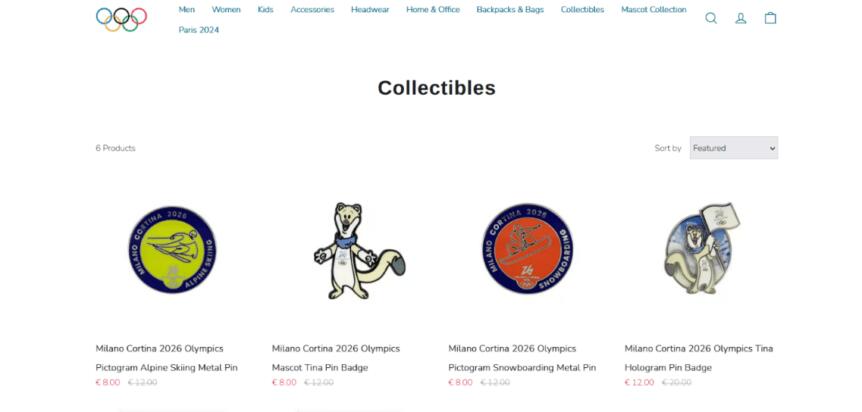
Fans rushing to buy authentic sports competition items – clothes, souvenirs or event-specific collectibles – are prime targets. Attackers launch multiple counterfeit online shops that may use official logos, post convincing photos and fabricate glowing reviews to appear legitimate. Victims pay, then get nothing – or have their card details stolen for later fraud.
Fake streaming offers
Attackers create deceptive websites imitating broadcasters, promising “cheap,” “exclusive,” or even “free” ways to catch winter competition events live – from snowboard cross to curling finals. Users pay input card details expecting instant access, only to lose their money and expose financial data for theft or redirects to more scams when they hit “play.”

Scam page of “free” streaming service
“While global competitions bring together people from different countries for the ultimate sports festival, they also draw fraudsters eager to cash in on the hype. Whether through phony ticket portals, imitation merchandise sites or bogus streaming links, these schemes are designed to look completely genuine. The best defense for sports fans is to pause, double-check every source and stick strictly to official, trusted channels before entering any personal or payment information,” notes Anton Yatsenko, web content expert at Kaspersky.
Here are the key ways to protect yourself during sports competitions:
- Purchase tickets exclusively from official channels. Skip any third-party sellers and always confirm via the official competition website.
- Stick to legitimate streaming services and trusted broadcasters. Verify HTTPS security, check reviews and never submit payment info on unverified or pop-up sites.
- Be cautious with merchandise vendors, avoid deals on “exclusive” or heavily discounted competition-branded items from unknown shops – they often deliver fakes, nothing at all or steal your details. Buy only from confirmed official stores or partner retailers.
- Don’t click on unsolicited emails, social media posts, texts or ads offering free tickets, cheap streams, special giveaways, or “urgent” competition updates.
- Rely on a trusted security tool like Kaspersky Premium, which actively blocks dangerous websites, phishing attempts, malicious ads and card-skimming scripts in real time to safeguard your information.
About Kaspersky
Kaspersky is a global cybersecurity and digital privacy company founded in 1997. With over a billion devices protected to date from emerging cyberthreats and targeted attacks, Kaspersky’s deep threat intelligence and security expertise is constantly transforming into innovative solutions and services to protect individuals, businesses, critical infrastructure and governments around the globe. The company’s comprehensive security portfolio includes leading digital life protection for personal devices, specialized security products and services for companies, as well as Cyber Immune solutions to fight sophisticated and evolving digital threats. We help millions of individuals and nearly 200,000 corporate clients protect what matters most to them. Learn more at www.kaspersky.com
https://www.cryptobreaking.com/how-to-spot-and-avoid/?utm_source=blogger%20&utm_medium=social_auto&utm_campaign=How%20to%20Spot%20and%20Avoid%20Cyber%20Scams%20During%20the%202026%20Winter%20Games%20
Comments
Post a Comment