
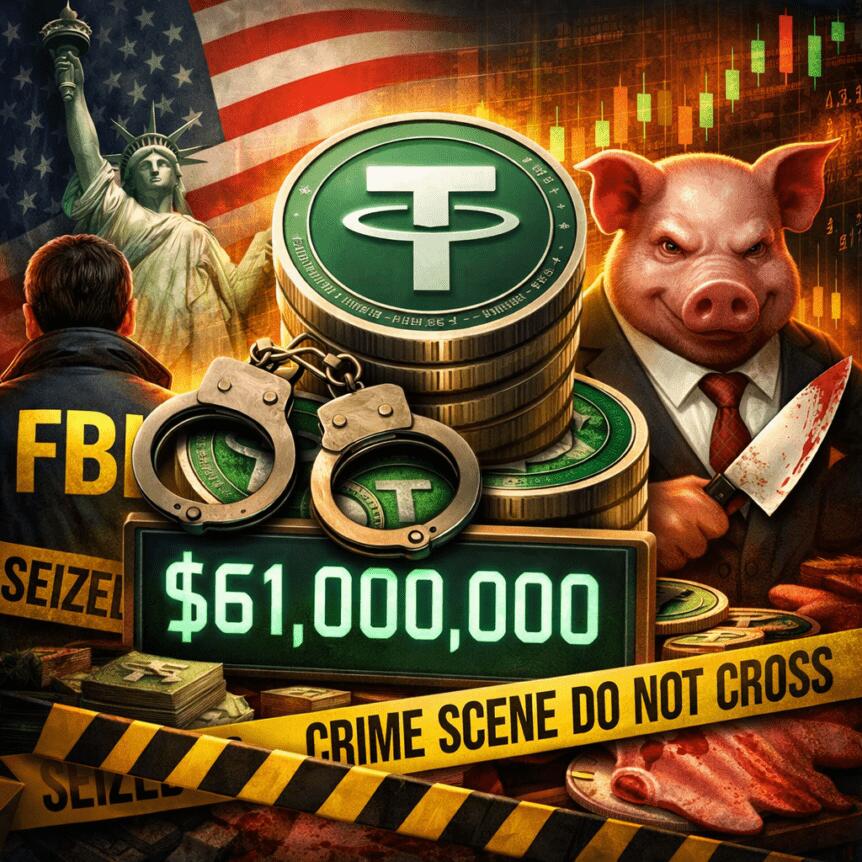
North Carolina federal authorities have seized more than $61 million in a dollar-pegged stablecoin tied to a wide-ranging “pig butchering” scheme that exploited fake online romances and fraudulent trading platforms to ensnare victims. Prosecutors in the Eastern District of North Carolina in Raleigh disclosed that the defendants posed as romantic partners and claimed to possess special trading expertise, luring individuals into convincing but fraudulent crypto sites. These sites displayed manipulated portfolios showing outsized returns, encouraging victims to invest more. When victims attempted to withdraw funds, the scammers blocked withdrawals and imposed additional fees, extracting ever-larger sums before the scheme collapsed under law enforcement scrutiny. Investigators from Homeland Security Investigations traced the proceeds across multiple wallets used to launder the money and ultimately identified several addresses holding substantial sums that were seized and earmarked for forfeiture. In a notable detail, the Department of Justice highlighted that Tether cooperated in transferring these assets, underscoring how stablecoin issuers are increasingly cooperating with authorities in asset freezes and recoveries. The following items are drawn from the DOJ release and related enforcement documents: the investigation’s trajectory, the role of the fake platforms, and the collaboration with the stablecoin issuer that helped secure the funds. The press release can be found here: US Attorney’s Office for the Eastern District of North Carolina.
Key takeaways
- The seizure showcases a growing convergence of romance-scams and fraudulent trading platforms within crypto-enabled fraud, illustrating how fraudsters adapt to sophisticated, multi-channel schemes.
- Law-enforcement agencies traced assets across laundering wallets and secured forfeiture actions against addresses still holding sizable holdings, signaling a persistent focus on traceability in crypto-fueled crime.
- Stablecoin issuers, notably Tether in this case, are increasingly cooperating with investigators to freeze and recover illicit funds routed through dollar-pegged tokens.
- Market data from Chainalysis indicates that crypto scam losses surged in 2025, with AI-driven impersonation and social-engineering tactics driving a sharp rise in profitability for criminals.
- Enforcement actions have begun translating into longer sentences for key figures connected to pig-butchering networks, highlighting a tougher stance on crypto-laundering operations.
Tickers mentioned: $USDT
Sentiment: Neutral
Market context: The North Carolina seizure comes as regulators and enforcement agencies escalate efforts to counter crypto fraud, particularly schemes that blend romance, fake investment platforms, and laundering networks. It reflects a broader pattern of increased cooperation between authorities and stablecoin issuers as asset tracing tools and compliance checks mature, a trend reinforced by recent sentencing in related pig-butchering cases and ongoing scrutiny of illicit flows through tokenized markets. Chainalysis data cited by industry coverage shows that annual losses from crypto scams reached $17 billion in 2025, underscoring the scale of risk facing ordinary users and the importance of enhanced diligence in an increasingly complex ecosystem across digital assets.
Why it matters
The seizure underscores how sophisticated crypto fraud has become, adapting to the optics of romance and trust to avoid early detection. By weaving convincing narratives and presenting fake performance dashboards, perpetrators exploit victims’ emotions as a gateway to financial loss, often moving funds through multiple wallets and across exchanges to complicate traceability. The involvement of a stablecoin issuer in the asset-transfer process signals a notable shift: authorities are not only prosecuting individuals but also pressing the infrastructure that underpins crypto payments to assist in asset recovery. As the DOJ release notes, the collaboration with Tether illustrates a broader regulatory and investigative push to freeze and seize illicit flows tied to dollar-pegged tokens, which are frequently used for cross-border fraud and money laundering.
For investors and users, the case reinforces the importance of skepticism in online investment pitches and due diligence when confronted with unusually high returns advertised on crypto platforms. It also highlights the evolving role of law enforcement in crypto markets, where traditional financial crime frameworks are increasingly applied to digital assets. The convergence of romance scams and fake investment products complicates the risk landscape, making it critical for individuals to verify counterparties, examine investment portfolios, and avoid sharing sensitive information or funds with unverified partners. The broader context—rising scam sophistication, AI-enabled impersonation, and the stability of the crypto ecosystem—demands continued vigilance from consumers, platforms, and regulators alike. Earlier related coverage on pig-butchering and crypto laundering, including detailed analyses of how trust is weaponized in these schemes, provides useful context for staying ahead of evolving fraud vectors.
What to watch next
- Potential additional forfeitures or asset recoveries tied to linked addresses and other wallets identified in the case, including any future DOJ updates.
- Sentencing developments for other individuals connected to pig-butchering networks, including cases involving laundering operations valued at tens of millions of dollars.
- Regulatory and industry responses to stablecoins and their use in fraud, including enhanced due diligence and stricter KYC/AML controls on platforms that facilitate token transfers.
- Ongoing law-enforcement efforts to track AI-enabled impersonation and social-engineering fraud, with a focus on international cooperation and cross-border asset tracing.
Sources & verification
- U.S. Attorney’s Office for the Eastern District of North Carolina — press release announcing the seizure of $61 million in cryptocurrency linked to the pig-butchering scheme.
- Department of Justice and Homeland Security Investigations statements within the same release on cooperation from Tether (stablecoin issuer) to transfer the assets.
- Chainalysis 2026 Crypto Scams report cited in coverage detailing 2025 losses and the rise of AI impersonation and social-engineering scams.
- Cointelegraph coverage of pig-butchering crime and related sentencing, including the 20-year federal sentence in a connected laundering operation and analyses of how these scams operate.
- Related explainer and investigative pieces linked in the source material on how pig-butchering scams manipulate trust and funnel funds into fake investment platforms.
Cryptocurrency seizure and enforcement in focus: what the case reveals
The North Carolina action marks a convergence of traditional financial-crime enforcement with the uncertainties and complexities of digital assets. The authorities’ ability to trace the proceeds through laundering wallets and eventually freeze or seize assets demonstrates progress in on-chain analytics and cross-institutional cooperation. The involvement of Tether underscores a willingness among stablecoin issuers to participate in investigations that aim to recover funds and deter future illicit flows, a trend increasingly echoed across the industry as watchful regulators seek greater accountability for crypto-native crime.
As investigations unfold and courts issue longer sentences for prominent figures in pig-butchering networks, stakeholders should expect ongoing enhancements to enforcement strategies, including more aggressive asset-recovery efforts and stricter platform-level protections to deter scammers. The evolving landscape requires ongoing attention from users, policymakers, and market participants to recognize and mitigate these multifaceted threats—where trust, technology, and regulation intersect in real time.
https://www.cryptobreaking.com/us-seizes-61m-in-usdt/?utm_source=blogger%20&utm_medium=social_auto&utm_campaign=US%20Seizes%20$61M%20in%20USDT%20Linked%20to%20Pig-Butchering%20Crypto%20Scam%20
Comments
Post a Comment