
Overview
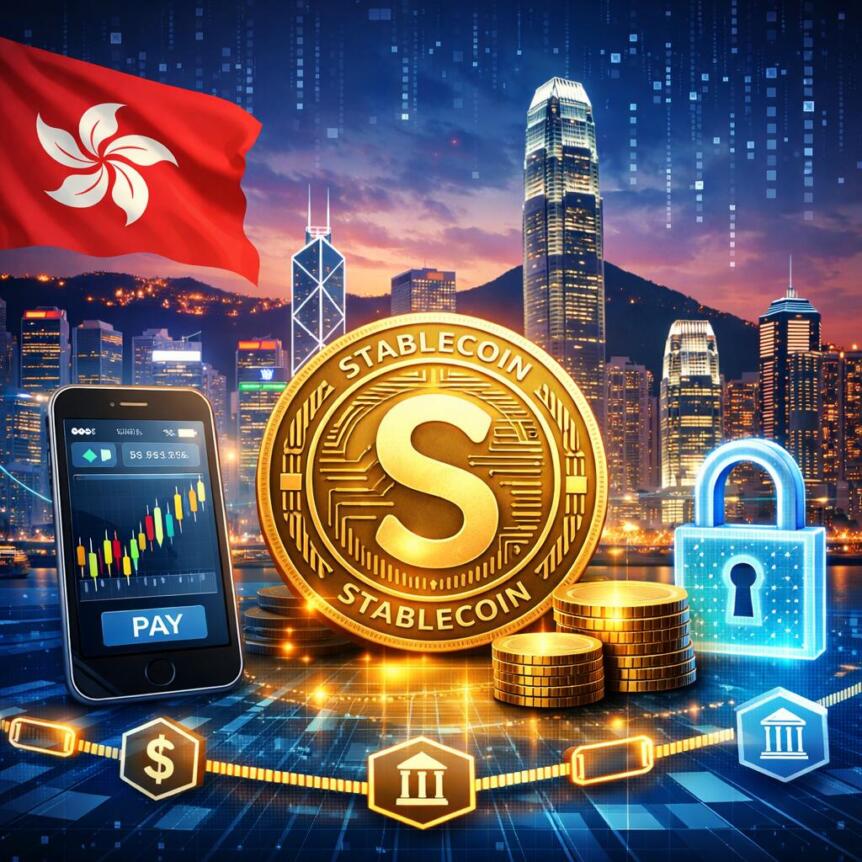
Hong Kong approved its first stablecoin licences, marking a key step in regulated digital finance development. Authorities selected bank-backed issuers to lead the rollout under strict oversight. The move strengthens the city’s position in global digital asset markets.
HSBC Leads Retail-Focused Stablecoin Rollout
HSBC plans to launch a Hong Kong dollar-pegged stablecoin in the second half of 2026. The token will support payments, transfers, and digital asset services through its mobile platforms. The bank aims to integrate stablecoins into existing retail and merchant ecosystems.
HSBC will enable peer-to-peer transfers and merchant payments using its PayMe and banking applications. The system will also support subscriptions to tokenized investment products within its digital infrastructure. This approach connects traditional banking services with blockchain-based financial tools.
HSBC is exploring stablecoins in other currencies to support cross-border transactions. However, the bank requires alignment with central banks before expanding beyond Hong Kong dollar issuance. This strategy reflects a measured approach to global digital currency integration.
Anchorpoint Targets Institutional and Phased Expansion
Standard Chartered supports Anchorpoint Financial, a joint venture focused on digital asset infrastructure. The entity includes Animoca Brands and Hong Kong Telecommunications as key partners.
Anchorpoint plans to launch its stablecoin earlier, targeting institutional clients in the initial phase. The firm will later expand access to retail users through selected distributors and partners. This phased rollout allows controlled adoption while building operational experience in regulated markets. The structure also aligns with Hong Kong’s broader financial stability goals.
Anchorpoint focuses on enabling real-world applications such as payments, custody, and trading services. The initiative supports infrastructure development for compliant digital finance operations. It also strengthens collaboration between traditional finance and blockchain firms.
Regulatory Framework Shapes Controlled Market Entry
Hong Kong Monetary Authority introduced the stablecoin regime in August 2025. The framework requires full reserve backing, clear redemption rights, and strict governance standards. Authorities also enforce anti-money laundering measures across all licensed issuers.
The regulator reviewed 36 applications before selecting the first two licence holders. Officials prioritized strong risk management, compliance capacity, and viable business models. This selective approach ensures stability while allowing innovation within defined limits.
Officials confirmed that only a small number of additional licences may follow. The authority maintains flexibility but intends to limit market entry in early stages. This policy balances innovation with financial system integrity.
Hong Kong aims to position itself as a global hub for regulated digital assets. Stablecoins play a central role in improving payment efficiency and supporting tokenized finance. The first approvals mark the beginning of a structured expansion in the sector.
https://www.cryptobreaking.com/hong-kong-advances-digital-finance/?utm_source=blogger%20&utm_medium=social_auto&utm_campaign=Hong%20Kong%20Advances%20Digital%20Finance%20With%20First%20Stablecoin%20Licences%20
Comments
Post a Comment