Pi Mainnet Moves Toward Protocol 22 with April 27 Set for Node Updates


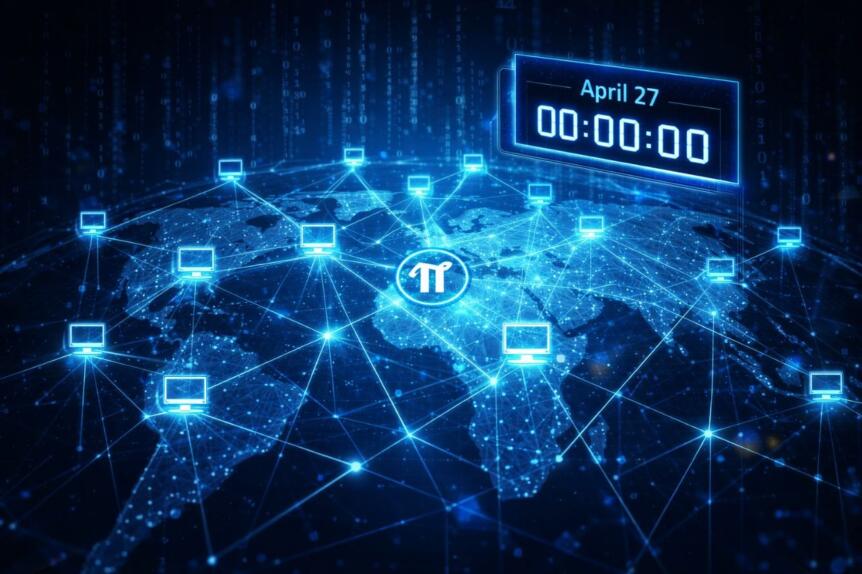
Pi Mainnet is moving toward Protocol 22, with April 27 set as the deadline tied to node readiness. The update puts fresh attention on Pi Node, which supports network security and transaction flow on desktop devices.

The move also renews focus on Pi’s long-running node plan. Pi’s own notice says parts of its early node document may not be up to date, yet the role of nodes remains clear.

Pi Node Remains Central to the Network Design


Pi Node is the fourth role in the Pi ecosystem.

It runs on laptops and desktops, while mobile users keep using the Pi app.

The system does not use proof of work like Bitcoin. Instead, Pi says it uses a model based on the Stellar Consensus Protocol.

Under that design, nodes form trusted groups called quorum slices. They agree on transactions only when trusted nodes reach agreement.

https://twitter.com/PiCoreTeam/status/2044972092014100602?s=20

Pi says this trust model connects with security circles from mobile miners. Those circles help form a wider trust graph for validation.

Protocol 22 Deadline Brings Node Readiness Into Focus


With the April 27 deadline now in focus, node reliability becomes a key part of the discussion. Pi has said nodes help validate transactions and submit them to the blockchain.

SuperNodes carry a larger role in the network. They reach consensus, write transactions to the ledger, and keep other nodes updated.

Pi also says selected node operators must meet technical and account checks. These include uptime, internet stability, hardware capacity, and KYC after invitation.

The project has also said one account should run only one node. That rule links node participation to the same account used on the mobile app.

Pi Keeps a Phased Path for Node Development


Pi’s node plan has followed a staged testnet path. It began with a selection stage, then moved into revision work, and then live testnet activity.

In the selection stage, Pi assessed devices, connection quality, and software setup. The aim was to learn what was needed for a stable and secure network.

During the revision stage, Pi used a centralized layer for faster testing. The company said this helped it simulate many network conditions and stress the consensus model.

Pi has also said that this layer would be removed for mainnet after testing. That point matters as the network now moves around the Protocol 22 deadline.

Pi’s notice also says mainnet nodes are under a firewall during the Enclosed Network period. It adds that broader community access is planned for the Open Network period.

https://www.cryptobreaking.com/pi-mainnet-moves-toward-protocol/?utm_source=blogger%20&utm_medium=social_auto&utm_campaign=Pi%20Mainnet%20Moves%20Toward%20Protocol%2022%20with%20April%2027%20Set%20for%20Node%20Updates%20

Comments

Popular posts from this blog

Scaramucci Family Invests $100M in Trump-Backed Bitcoin Mining Firm

The recent investment in American Bitcoin highlights the growing interest and participation of prominent figures and families in the cryptocurrency mining sector, particularly in the United States. With over $100 million from the Scaramucci family’s Solari Capital and backing from notable entrepreneurs and investors, American Bitcoin is solidifying its position as a significant player in the evolving blockchain and crypto markets. This move underscores the increasing institutional and individual involvement in Bitcoin and related assets, shaping the future of the crypto industry amidst regulatory and market dynamics. The Scaramucci family’s private investment firm, Solari Capital, has committed over $100 million to American Bitcoin, a major U.S.-based mining company. American Bitcoin raised $220 million in a funding round before going public via reverse merger, with notable backers including Tony Robbins, Charles Hoskinson, Grant Cardone, and Peter Diamandis. The company ...

Interactive Brokers Now Accepts USDC for Account Funding

Interactive Brokers Expands Crypto Offerings with Stablecoin Funding Electronic brokerage firm Interactive Brokers has significantly enhanced its cryptocurrency services by allowing clients to fund their accounts with stablecoins that are seamlessly converted into US dollars. This move aims to streamline international trading and address longstanding issues surrounding cross-border capital movement. Key Takeaways Clients can now use stablecoins like USDC on the Ethereum, Solana, and Base blockchains for instant, 24/7 account funding. The stablecoins are converted immediately into US dollars, credited directly to client accounts without dependence on traditional banking hours. Support for Ripple USD and PayPal USD is anticipated to roll out next week, further expanding stablecoin options. The initiative targets reducing costs and delays associated with conventional fiat wire transfers. Tickers mentioned: none Sentiment: Positive Price impact: Neutral; the move enhances transactional ...

What Does it Mean When BTC Futures Turn Negative Compared to Spot Price?

Recent shifts in the cryptocurrency market highlight a growing cautious sentiment among traders, as the Bitcoin futures-to-spot basis has turned negative for the first time since March 2025. This development suggests a potential cooling of investor enthusiasm, with traders showing a preference to de-risk amid increasing market volatility. The trend underscores ongoing uncertainty in the crypto markets, impacting Bitcoin’s price outlook and trading dynamics. Bitcoin futures-spot basis has dipped into negative territory, signaling increased caution among traders. Internal exchange flow surges often precede heightened volatility and liquidity stress. The market’s leverage ratio has decreased, indicating a healthier futures environment and reduced forced-liquidation risks. Historical patterns of negative basis may point either to a market bottom or further downside, depending on subsequent price movements. Bitcoin futures-spot basis signals two different pathways Bitcoi...