
Overview
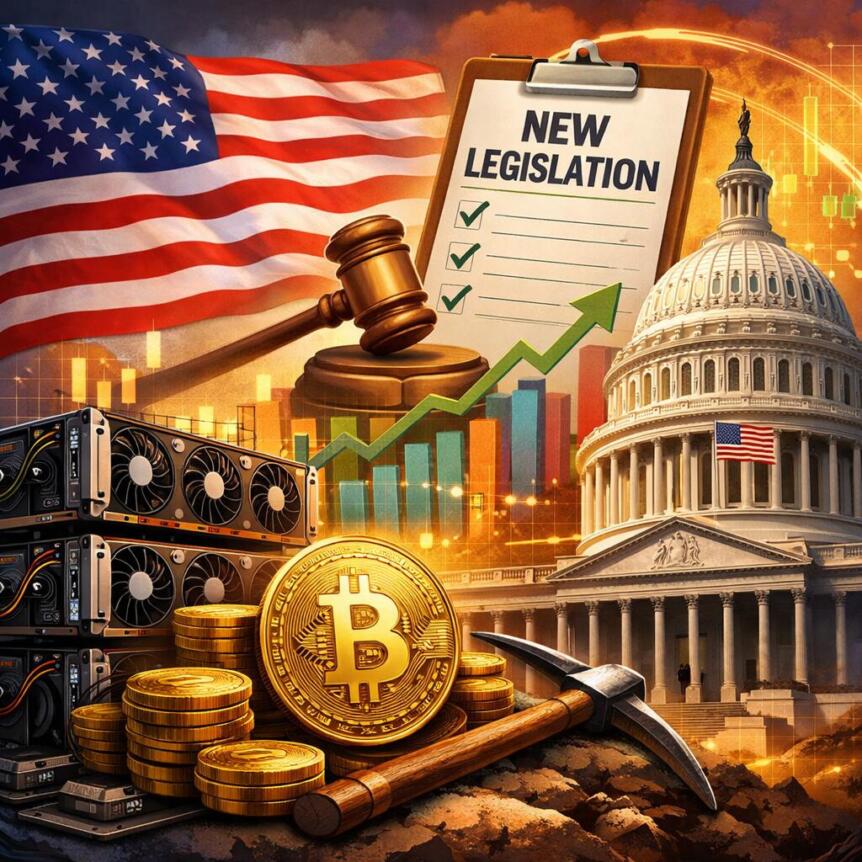
US lawmakers introduced fresh legislation to strengthen domestic Bitcoin mining and secure supply chains. The proposal also aims to formalize a national Bitcoin reserve framework. It signals a broader push to position the US as a global crypto leader. Supporters say the framework would cut dependence on volatile foreign supply chains and spur domestic innovation.
Cynthia Lummis and Bill Cassidy introduced the Mined in America Act in Washington. The bill focuses on expanding mining capacity while reducing reliance on foreign hardware suppliers. It also integrates existing federal programs to support infrastructure development. The sponsors describe it as a step toward securing critical infrastructure and national sovereignty in digital assets.
The initiative builds on policies linked to Donald Trump, who has promoted US dominance in digital assets. Lawmakers aim to convert prior executive actions into formal law. The proposal highlights economic and security concerns tied to crypto infrastructure.
🇺🇸 @SenLummis : “The Clarity Act could be the best thing to happen to DeFi.”
Says it brings long-awaited legal certainty.
Giving developers, validators, and node operators a potential safe harbor. pic.twitter.com/d47goXr6QJ
— The Crypto Times (@CryptoTimes_io) March 31, 2026
Certification Program and Supply Chain Shift
The bill introduces a voluntary certification program for mining facilities and pools. The Commerce Department would oversee compliance and operational standards. Certified entities would align with national security and efficiency guidelines.
Facilities seeking certification must transition away from hardware linked to foreign adversaries. This requirement targets dependency on overseas manufacturing, especially from China. The measure seeks to strengthen domestic control over critical mining infrastructure. A voluntary program would include clear timelines and auditing to ensure compliance.
US leads global Bitcoin mining by hashrate share. However, most mining hardware still comes from foreign manufacturers. Lawmakers view this imbalance as a strategic weakness in the digital economy.
Domestic Manufacturing and Strategic Reserve Plan
The law encourages the making of mining equipment locally by providing financial help through federal programs. The government departments will help equipment manufacturers design safe and energy-efficient machines. This is in line with the general industrial policy trend of the US. Law codifies the establishment of a Strategic Bitcoin Reserve as well.
The Treasury Department would be in charge of the reserve with confiscated digital assets. This arrangement is meant to bring Bitcoin into the country's financial strategy. Supporters argue that the reserve strengthens financial resilience and innovation. They also connect mining growth with energy infrastructure and job creation. The proposal links crypto expansion with broader economic priorities.
The measure would include transition timelines for hardware replacement and complementary workforce development to ensure a smooth shift for miners and suppliers.
Industry Context and Policy Implications
Mining dominance in the US was achieved after China banned crypto operations in 2021. Since then, various mining companies have spread their operations across several American states. The mining hardware remains largely dependent on foreign suppliers. Industry bodies like the Satoshi Action Fund are in favor of the bill's approach. They point out supply chain risks and loss of control to foreign entities. The law is intended to handle these issues by way of combined policy interventions.
The sector has faced disruptions like the stoppage of hardware shipments, which reveal the industry's weaknesses. Such incidents have strengthened the argument for strong domestic production and well-defined regulations. Legislators therefore want to use planned reforms to press on with the industry's development and expansion. Observers note this shift could accelerate consolidation and require careful policy design.
https://www.cryptobreaking.com/us-advances-crypto-mining-policy/?utm_source=blogger%20&utm_medium=social_auto&utm_campaign=US%20Advances%20Crypto%20Mining%20Policy%20with%20New%20Legislative%20Push%20
Comments
Post a Comment